
Children learn faith from parents' example
“It's that precious time you spend with them.”
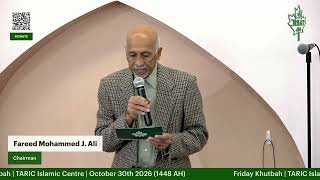
Parents shape their children’s faith and character primarily through implicit example, so they must prioritize presence, time, and attentive listening over merely providing money and gifts.
The khutbah in 6 steps
- The khutbah distinguishes explicit parental instruction from implicit education learned through behavior and role modeling.
- It identifies marital conflict and repeated parental anger as recurring experiences that can destabilize children.
- It focuses on parental absence through insufficient time, weak communication, and inadequate example.
- It urges parents to spend time through prayer, meals, play, and scheduled family activities.
- It argues that time and spiritual responsibility matter more than financial provision or gifts.
- It concludes by emphasizing active listening and putting away distractions when children want to talk.
In the khateeb's words
“The implicit education is what you don't tell them, is what they acquire from your behavior, from your role modeling, from how you treat others.”
“But it's not the money, it's not the gifts, it's not the car, it's not the White House. It's one and one thing. It's that precious time you spend with them.”
“And when they want to talk about it themselves, this is the time you leave everything aside, put your phone away, turn the TV off, turn the radio in the car off.”
For the dinner table
Children learn from what parents say, but they also learn from how parents treat one another, handle anger, use their phones, and live their faith. The khutbah urges parents to make real time for their children through prayer, meals, play, and scheduled family time. Money and gifts cannot replace presence; Allah provides, while parents are responsible for guiding and protecting their families. When a child wants to talk, parents should put distractions away and listen carefully to the child’s worries, dreams, and challenges. Small, consistent moments of presence can help children grow with security, balanced character, and sound faith.
- What is one family activity that helps you feel most connected?
- What makes it easier or harder for you to talk about your worries and dreams?
- What do children learn from how adults use phones or treat each other?
More on Youth & education
 Muhammadi Masjid · Elmont, NY · Sep 25, 2026Parents must teach Islam at home“You have to save yourself and then you have to save your family from the fire of Jahannam.”
It starts at home by presenting the real role model for our children.29:05TARIC · Downsview, ON · Oct 31, 2026Parents shape their children's faith
 ICOPS · Lynnwood, WA · Oct 17, 2026Parents must teach children Islam