
Voting helps protect religious freedom
“The only way to change policies is through elections, through voting.”
Muslims should respond to Islamophobia with steadfastness, personal relationships that let non-Muslims encounter Islam directly, and active civic participation, especially voting, to protect religious freedom and shape just policy.
The khutbah in 5 steps
- Frames Islamophobia and other harms as recurring tests requiring patience and God-consciousness.
- Describes contemporary Islamophobia in Texas, including curriculum distortion and proposed restrictions affecting halal food, Islamic finance, hijab, and religious protections.
- Calls Muslims to counter distorted narratives through neighborly hospitality and direct relationships with non-Muslims.
- Argues that policy change requires elections and urges Muslims to vote and encourage others to vote.
- Closes by framing outreach and civic engagement as trusts before God, followed by supplications.
In the khateeb's words
“the narrative of Islam and Muslims is not told by us it's told about us and this has to change where we take agency on how we want others to learn about us”
“if you are not telling your story someone else is going to tell your story so be the one who can tell that story”
“We are here to stay. We're here for our generations to thrive. And we're here to practice our rights, inshaAllah ta'ala.”
“And the only way to change policies is through elections, through voting.”
For the dinner table
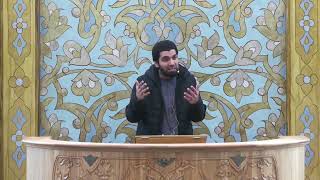
Sheikh Basem Hamid taught that Islamophobia and unfair treatment are painful tests, but Muslims should meet them with patience, faith, and steady effort. He said we can help correct false ideas about Islam by welcoming neighbors, teachers, and other non-Muslims into ordinary Muslim life. He also urged Muslims to vote and encourage others to vote so that laws and policies better protect religious freedom and human dignity. The message was that our community is here to stay, serve others, protect its rights peacefully, and help future generations thrive.
- What is one welcoming act our family could offer a neighbor or classmate?
- How can we explain our faith through our everyday behavior, not only our words?
- What responsibilities do we have when our community has a chance to vote?
More on Civic engagement

If you don't utilize your vote, you have no power.13:23MIC · Malden, MA · Oct 24, 2026Voting is an amanah for justice
 CLIC · Clear Lake, TX · Oct 31, 2026Vote patiently for justice and less harm
Starvation is not a result or is not an accident of nature.22:15IAGD · Rochester Hills, MI · Oct 30, 2026Hunger is sustained by injustice