
Parents must build faith-rooted trust
“If we don't take genuine interest in our children, someone else will.”
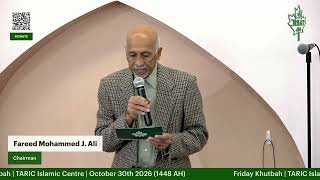
Parents and young people must actively build faith-rooted relationships, use time and technology wisely, choose righteous companionship, and meet personal struggles with mercy and sound Islamic knowledge.
The khutbah in 7 steps
- Argues that media, education, and online exposure shape young people's perceptions and can introduce harmful influences.
- Warns that smartphones and social media may conceal serious emotional, identity, and self-harm struggles among Muslim youth.
- Urges parents and adults to build daily relationships through listening, shared activities, and genuine interest.
- Explains that struggling with temptation or committing a major sin does not automatically remove someone from Islam, emphasizing mercy and careful religious knowledge.
- Calls parents to plan children's summers around productive activities, masjid programs, transportation, and consistent quality time.
- Encourages youth to use time productively, choose righteous friends, resist peer pressure, and set boundaries around online contacts and content.
- Concludes with prayers, Quranic recitation, and announcements encouraging masjid programs and family participation.
In the khateeb's words
“if we don't take genuine interest in our children someone else will if you don't sit down eye to eye and talk and listen take an interest in them don't just show up when they're in crisis”
“don't go you know locking horns with someone in crisis subhanallah that's just one of the examples of the things that can happen with us and with our youngsters especially in the summer”
“Time is your asset It's your money You have two and a half months worth of it How are you gonna use it?”
“You're far more valuable Than what all the other people want you to be You're far more important to Allah Than what anyone else tells you You are Mukarram You're honored in the eyes of Allah”
For the dinner table
The khutbah reminded us that children and teenagers are shaped by what they see, hear, and experience online, at school, and through friends. Parents and other adults should build real relationships through daily listening, shared activities, and honest apologies, while learning how to respond to struggles with mercy and sound Islamic knowledge. Young people were encouraged to use their summer well, choose good friends, set boundaries around phones and online contacts, and stand firm when something is wrong. Above all, the message was that every person is honored by Allah and deserves guidance, patience, and support on the path toward Him.
- How can we tell when an online friendship or activity is not good for us?
- What makes someone a good friend and a strong person of character?
More on Youth & education
 Muhammadi Masjid · Elmont, NY · Sep 25, 2026Parents must teach Islam at home“You have to save yourself and then you have to save your family from the fire of Jahannam.”
It starts at home by presenting the real role model for our children.29:05TARIC · Downsview, ON · Oct 31, 2026Parents shape their children's faith
 ICOPS · Lynnwood, WA · Oct 17, 2026Parents must teach children Islam