
Purification prepares us for worship
“Something is clean but cannot purify.”
Tahara in Islam is a broad state of purity that begins with water, distinguishes mere cleanliness from purifying capacity, and permits dust as a substitute when water is unavailable or harmful.
The khutbah in 5 steps
- Defines tahara as broader than physical cleanliness, extending across thought, speech, food, relationships, and worship.
- Explains that purification enables ibadah and comes primarily through water, with dust as a substitute.
- Distinguishes something merely clean from something that can purify.
- Discusses large versus limited quantities of water and how impurity affects usability.
- Concludes that dust may be used when water is unavailable, harmful, or prohibitively expensive.
In the khateeb's words
“So ta'ara in Islam is a way when we consider something to make us pure from it and to start our ibadah, right?”
“something is clean but cannot purify. And something is clean and can purify.”
“Second source is dust you can use if the water is not available for many reasons.”
For the dinner table
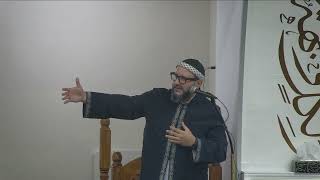
Today’s khutbah explained that tahara means more than ordinary cleanliness: it is a state of purity that prepares us for worship and affects many parts of life. The speaker said water is the primary means of purification, while dust can serve as a substitute when water is unavailable, harmful, or extremely expensive. He also distinguished between something that is merely clean and something that can actually purify. The takeaway is to value purity, understand its purpose, and learn the practical rulings for real circumstances.
- What is one difference between being clean and being able to purify?
- When might someone need to use dust instead of water?
- How can purity prepare us for worship?
More like this
 IOK · Diamond Bar, CA · Nov 14, 2026Remember Allah in two daily routines“If you engage in this remembrance of Allah subhanahu wa ta'ala, it's going to ease your burdens.”
Allow both parties to speak before you can make judgment.0:41Muslim Neighbour Nexus · Mississauga, ON · Nov 13, 2026Hear both sides before judgingCivic engagement
If you see someone being bullied, if you see injustice being done to someone, you cannot remain silent.10:17Muslim Neighbour Nexus · Mississauga, ON · Nov 13, 2026Use your authority to protect othersCivic engagement

We are given one more chance to wake up.5:08MCF · Folsom, CA · Nov 21, 2026Fajr brings barakah to the whole day
 Muslim Neighbour Nexus · Mississauga, ON · Oct 24, 2026Spend Allah's provision with purposeWealth & charity
There is always hope. There is always daylight.9:43Muslim Neighbour Nexus · Mississauga, ON · Nov 7, 2026Find hope and protection in al-Falaq and al-NasQur'an & tafsir