
Raising righteous children starts at home
“The presence of the parents is the most important aspect.”
Raising righteous children is a sacred, lifelong parental duty that begins with intentional tarbiyah at home through gentle presence, Islamic education, adab, and mercy rather than mere strictness or outsourced religious instruction.
The khutbah in 9 steps
- Introduction: Children bring joy but raising them requires intention, effort, and resolve
- Why raise righteous children: preserving iman across generations and attaining contentment in dunya and akhirah
- The sacred obligation: parents are trustees (amana) over soft, receptive hearts and will be asked about their households
- Imam Ghazali's practical tarbiyah advice: etiquette, cleanliness, simplicity, Islamic education, guarding media influences, praising good character, discipline when needed, sleep and language discipline, adab in walking
- Correcting the harsh-parent stereotype: prophets and companions combined strength with mercy, playfulness, and approachability
- The centrality of parental presence: tarbiyah cannot be outsourced to weekend programs; children need daily positive engagement at home
- Children also have responsibilities: older kids should listen and not talk back
- Limited window of influence: parents have roughly 12, 13 years; let kids make mistakes while standing behind them
- Conclusion: be a mirror for your child, take it one moment at a time, and make du'a for righteous offspring
In the khateeb's words
“Our children's hearts are sponges. Whatever you pour on there, it's going to soak it up.”
“The presence of the parents is the most important aspect. Their positive presence.”
For the dinner table
Raising righteous children is a lifelong trust, not a passive task or a passing parenting trend. Children’s hearts are like sponges, so parents should teach faith, manners, discipline, and good character while modeling those qualities at home. Guidance must be paired with mercy: children need boundaries and Islamic education, but they also need play, affection, patience, and room to learn from mistakes. A parent’s presence and example matter deeply, especially beyond formal classes and activities. We can build that relationship one day at a time through meals, conversations, outings, and steady love.
- What is one good habit you would like our family to practice together this week?
- What kind of family time helps you feel most loved and understood?
- How can you show good manners and mercy at home today?
More on Youth & education
 Muhammadi Masjid · Elmont, NY · Sep 25, 2026Parents must teach Islam at home“You have to save yourself and then you have to save your family from the fire of Jahannam.”
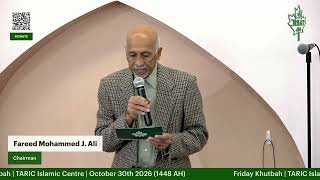
It starts at home by presenting the real role model for our children.29:05TARIC · Downsview, ON · Oct 31, 2026Parents shape their children's faith
 ICOPS · Lynnwood, WA · Oct 17, 2026Parents must teach children Islam