
Islam supports open mental health care
“It's a science of studying the heart, the emotions, a science of studying the mind, the intellect, a science of studying the soul, a science of studying the behavior.”
Islam treats mental health as integrated care for the body, mind, heart, soul, and behavior, so Muslims should pursue knowledge, reflection, professional help, and supportive community rather than suffer in silence.
The khutbah in 6 steps
- Ignorance breeds opposition and bias, while knowledge enables nuanced judgment.
- Islamic scholarship embraces revelation, science, reason, and critical thinking.
- Ilm al-nafs studies the heart, mind, soul, emotions, and behavior together.
- The Qur'an and Sunnah recognize how hunger, anger, grief, stress, and hurtful words affect worship and judgment.
- Abu Bakr al-Balqayy's work and Muslim maristans show a long history of medical, psychological, spiritual, and therapeutic care.
- Listeners are urged to reflect, seek qualified help, and address problems openly.
In the khateeb's words
“Take the moment to think critically. to analyze, to look and see, so that you may actually come to a conclusion based on facts and understanding.”
“It's a science of studying the heart, the emotions, a science of studying the mind, the intellect, a science of studying the soul, a science of studying the behavior.”
For the dinner table
The imam reminded us that Islam takes the well-being of our minds, hearts, and bodies seriously. He encouraged us to learn about mental health instead of dismissing what we do not understand. Through examples from the Prophet's teachings, he explained that our physical needs and emotions affect how we worship and make decisions. He also described Muslim traditions of caring for people through reflection, knowledgeable help, and spiritual support. As a family, we can listen kindly, make room for honest conversations, and support each other in seeking help instead of suffering in silence.
- What helps you feel heard when you are upset or worried?
- When you feel angry, what could help you pause and understand your reaction?
- Who could you turn to when a worry feels too big to handle alone?
More on Health & wellbeing

If a brother comes to us and admits that they have a gambling problem, do not look down upon them or cast them out.31:21Brand Lane Islamic Center · Stafford, TX · Jul 18, 2026Gambling apps can destroy Muslim families

Seeking a therapist, a psychiatrist, a counselor, or a crisis service doesn't contradict tawakkul.4:19Masjid Subhan · Scarborough, ON · Oct 3, 2026Protect life with hope and support
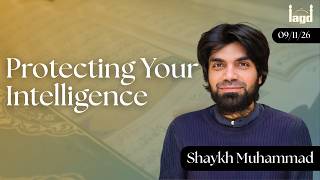 IAGD · Rochester Hills, MI · Sep 11, 2026Protect the mind from addiction“It's a gift from Allah subhanahu wa ta'ala and we are also told not only to use that gift but also to protect that gift.”