
Bring benefit and prevent harm in public life
“The fruit of the knowledge is an increase in generosity.”
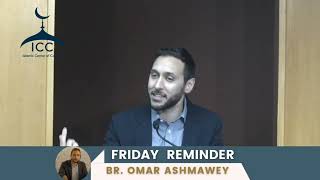
The khutbah argues that a Muhammadi Muslim in America should engage public life by using Sharia’s purpose, bringing benefit and preventing harm, as a practical standard for generosity, justice, dignity, and access.
The khutbah in 5 steps
- Argues that Islam has a public and political dimension rather than being limited to private worship.
- Defines the Sharia’s central purpose as bringing benefit and preventing harm, with knowledge producing generosity.
- Applies this principle to poverty through clinics, legal help, and interest-free opportunities.
- Extends it to voting rights, anti-bullying, women’s voices, and inclusive civic participation.
- Calls for disability access in mosques and resistance to pay-to-play religious culture.
In the khateeb's words
“the fruit of the knowledge is an increase in generosity”
“the goal of Sharia is to and this should be our mandate in America Jalba Musarih wa Dharma Fasid to bring benefit and prevent harm”
For the dinner table
The khateeb says Islam is not only private worship; it also asks us to help shape a just public life. He gives a simple measure: bring benefit and prevent harm, and let knowledge make us more generous. That means caring for people facing poverty, illness, immigration trouble, exclusion, or disability, and protecting their dignity and place in community. He encourages Muslims to support clinics, legal help, fair access, voting rights, welcoming mosques, and interest-free opportunities. He also warns against a pay-to-play religious culture and asks us to stay close to people with fewer resources.
- Where could our family bring benefit this week?
- What would make our mosque more welcoming to someone who needs extra support?
- How can we make sure people are valued even when they have less money or influence?
More like this
Justice must apply equally to everyone, regardless of wealth, status, or family connections.7:49MIC · Malden, MA · Nov 7, 2026Serve everyone with justice and integrity
If this person was standing right here in front of me right now, would I even say this?22:33Qalam · Carrollton, TX · Nov 20, 2026Rumors and backbiting destroy trustCharacter & conduct
We must not outsource our personal responsibility to be just.12:31TA’LEEF · Fremont, CA · Nov 21, 2026Justice starts with personal accountability
This is how I measure myself as a Muslim.15:49Qalam · Carrollton, TX · Nov 13, 2026Muslims should bring benefit and prevent harm
Victory becomes an occasion for humility and worship.5:41Islamic Center of Coppell · Coppell, TX · Nov 7, 2026Political victory demands personal service

Your efforts and your love and your conversation with Allah subhanahu wa ta'ala will never be in vain.26:03Qalam · Carrollton, TX · Nov 6, 2026When loneliness becomes a door to AllahPrayer & worship