
Ramadan is blessed through the Quran
“This Ramadan, I will convey the message of the Quran with as many people as I can.”
The khutbah argues that Ramadan is blessed because of the Quran, so Muslims should strengthen their relationship with it through reading, memorizing, understanding, applying, teaching, and reflecting.
The khutbah in 7 steps
- Ramadan and Sha'ban are presented as seasons of blessing, especially because of the Quran.
- Listeners compare their attachment to their phones with their attachment to the Quran.
- The speaker introduces six rights of the Quran: read, memorize, understand, apply, teach, and reflect.
- He recommends reading one juz daily, studying a surah, and memorizing new passages.
- He urges listeners to act on Quranic commands, avoid wrongdoing, and teach others.
- A reflection on Surah al-Kawthar connects blessings with prayer, charity, and hope in the Prophet's fountain.
- The khutbah closes with prayers for a lasting Quran connection and guidance to Jannah.
In the khateeb's words
“If not, then there is a problem with our relationship with the Quran.”
“Read it in English. Read it in Spanish. Read it in Urdu. Read it in Sawahili. Read it in any language you understand.”
“Memorizing the Quran because on the day of judgment, Prophet Muhammad sallallahu alayhi wa sallam told us that our rank in Jannah will be at the last verse that we memorize.”
“This Ramadan, I will convey the message of the Quran with as many people as I can.”
For the dinner table
The khateeb reminded us that Ramadan is special because it is the month when the Quran was revealed. He encouraged us to build a stronger relationship with the Quran by reading it, memorizing something new, understanding its meaning, applying its teachings, teaching others, and reflecting deeply on its verses. Even one juz a day can help us finish the Quran, and we can use a translation or listen if needed. We should let the Quran change our behavior, including by avoiding gossip and showing gratitude through prayer and charity. Ramadan preparation can begin now, with simple goals that bring the Quran into our homes and daily lives.
- Which Quran goal would you most like to try this Ramadan, and what would help you keep it?
- What is one Quran teaching we can practice together at home this week?
- When has something good happened to you, and how could prayer or charity express your gratitude?
More on Qur'an & tafsir
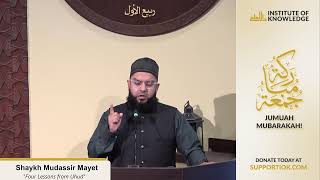 IOK · Diamond Bar, CA · Oct 24, 2026Do right despite the consequences“Doing the right thing is going to be the right thing, regardless of whether there are negative or positive consequences after.”
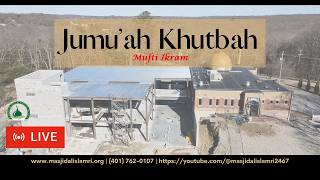 Masjid Al-Islam · North Smithfield, RI · Oct 17, 2026Every deed will be revealed“The earth will speak and what will it speak about?”
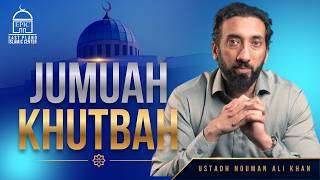 EPIC · Plano, TX · Sep 26, 2026The Quran teaches us to stop rumors“Your job and my job is to crush those flames.”