
Earn halal, spend wisely, and save
“May Allah have mercy on a man who earns his money in a halal way, spends it economically, and saves some of it for a day that he needs it.”
Financial blessing and hardship are both tests, so Muslims should manage money with moderation, avoid unnecessary debt, earn and spend halal, save for future needs, and pair dua with responsible effort.
The khutbah in 5 steps
- Rising prices make financial awareness a communal religious concern; wealth and scarcity are both tests.
- Desire-driven shopping can enslave people, so spending should follow a middle way between extravagance and miserliness.
- Muslims should avoid unnecessary debt, distinguish needs from wants, and reject status-driven consumption.
- Earn halal income, spend economically, save surplus, and track finances for zakat and future obligations.
- The dua for worries and debt must be joined to seeking halal provision and repaying obligations.
In the khateeb's words
“Whether Allah has blessed you with wealth or blessed you with little wealth, it becomes a trial for us.”
“May Allah have mercy on a man who earns his money in a halal way, spends it economically, and saves some of it for a day that he needs it.”
For the dinner table
The khutbah reminds us that having a lot of money and having little money can both be tests from Allah. We should spend with balance, avoiding both extravagance and stinginess, while recognizing the difference between needs and wants. We should earn halal income, avoid unnecessary debt, and save for future needs, family responsibilities, and community benefit. When financial worries come, we should make dua while also working responsibly, seeking halal opportunities, and repaying what we owe.
- What is one difference between a need and a want in our family’s spending?
- How could saving today help someone in our family later?
- What should we do when we feel worried about money or debt?
More on Wealth & charity

Don't think that taking the easy way out or the shortcut is actually going to make you gain the rizq quicker.25:16MAPS Redmond · Redmond, WA · Sep 18, 2026Trust Allah's provision and find contentment

Everyone wants more Rizq, but no one wants accountability and responsibility, and you cannot have one without the other.19:34Qalam · Carrollton, TX · Sep 11, 2026More provision means more accountability
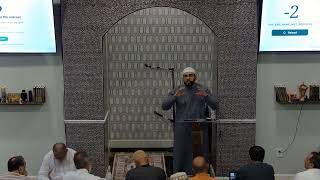
A small quantity will take a person a long way.8:48Masjid Al Firdous · Katy (Fulshear Katy Rd), TX · Oct 30, 2026Blessed provision is more than money