
Use Sha'ban to prepare for Ramadan
“Why are you living here on this planet of Earth?”
Believers should recognize Allah’s special days as signs, pause from heedlessness, and use Sha'ban to deepen consistent, grateful worship in preparation for Ramadan and Jannah.
The khutbah in 6 steps
- Introduces Allah’s command to remember His days and explains signs as moments that interrupt heedlessness.
- Names Arafah, Dhul-Hijjah, Ashura, Ramadan, Laylat al-Qadr, and Sha'ban as opportunities for reflection.
- Explains patience in worship and gratitude for Allah’s enabling grace.
- Uses examples of the Prophet, companions, and early Muslims to illustrate exceptional commitment despite age or disability.
- Challenges listeners not to settle for minimum worship and urges self-accounting before Judgment.
- Presents Sha'ban as preparation for Ramadan, invites the community to visit the mosque construction site, and concludes with prayers for the oppressed.
In the khateeb's words
“Just pause for a minute and ask Allah. Ponder upon the questions, why and where? Why are you living here on this planet of Earth? Who brought you here? And what's the purpose of your existence?”
“It's because the tawfiq of Allah that was given to you and wasn't given to many others.”
“In Rajab, they plant the seeds. In Sha'ban, they water it. In Ramadhan, they enjoy the fruits.”
For the dinner table
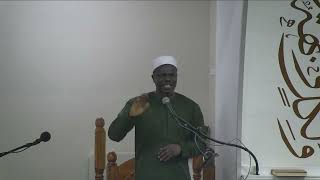
The khateeb reminded us that special days and seasons, including Sha'ban and Ramadan, invite us to pause and remember why we are here. He encouraged patience in worship and gratitude to Allah for helping us worship in the first place. He described the Prophet’s long night prayers as an expression of gratitude and shared examples of deep commitment from earlier Muslims. He asked us to examine our own choices and prepare our hearts for Ramadan, like watering seeds before enjoying their fruit. He also invited the community to come together around the future mosque and help build and maintain a place that spreads light.
- What is one thing that helps you pause and remember Allah during a busy day?
- What blessing could you show gratitude for through something you do tomorrow?
- What small habit could our family practice together to prepare for Ramadan?
More on the Islamic calendar
 7:52Dar Alnoor · Manassas, VA · Jul 11, 2026Use summer to grow closer to Allah“This opportunity can make me a great Muslim, a great human being, or it can make me a very bad person, depending on how we use the summer.”
Never miss a salah during this free time.16:04Muslim Neighbour Nexus · Mississauga, ON · Jul 25, 2026Use summer time for what matters
 EPIC · Plano, TX · Jul 3, 2026Honor Muharram through fasting and justice“We cannot even enter into Jannah if I have violated someone else's rights.”