
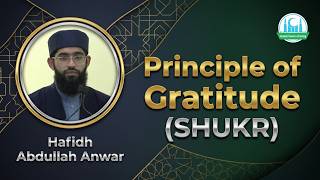
GratitudeFrom the masjid's own video, May 29, 2026.
Gratitude means using blessings well
“If Allah has given us wealth, we use it to help others.”
In one sentence
True gratitude to Allah is expressed through thankful speech, obedient action, and refusing to misuse His blessings, especially amid comfort and success.
The khutbah in 6 steps
- Sulaiman's response to the ants shows gratitude rather than arrogance despite immense power.
- Ibrahim, Nuh, and Dawud exemplify gratitude through hardship, service, and obedience.
- Shukr has three forms: speech, action, and avoiding sinful use of blessings.
- Listeners are urged to guard prayer and dedicate health, wealth, time, and guidance to Allah.
- North American Muslims should replace entitlement with humility because of their safety and opportunities.
- Gratitude must begin immediately, before blessings disappear through hardship or loss.
Try this week
Say alhamdulillah and remember Allah throughout daily routines, especially after eating or drinking.
Guard the five obligatory prayers and perform them on time.
Use health for worship, wealth to help others, time in obedience, and guidance to protect salah.
Avoid using the tongue, eyes, ears, wealth, intellect, or status for sin.
Begin gratitude immediately rather than waiting for hardship or loss.
Sources the khateeb cited
Quotes
In the khateeb's words
“It was not a reaction of arrogance, a reaction of self-praise, a reaction of pride.”
“If Allah has given us health, we use it to worship Him. If Allah has given us wealth, we use it to help others. If Allah has given us time, we use it in obedience.”
“And so gratitude grows, my dear brothers and sisters, when the entitlement disappears.”
“But the believer recognizes Allah subhanahu wa ta'ala before everything disappears.”
Talk about it at home
For the dinner table
Today's khutbah teaches that gratitude to Allah is more than saying thank you. It should appear in our words, our worship, and the way we avoid using Allah's blessings for sin. The examples of Sulaiman, Ibrahim, Nuh, and the Prophet show that grateful people remember Allah in both hardship and success. Because many of us enjoy safety, health, education, and opportunity, we should respond with humility rather than entitlement and use what we have to serve Allah and others. We should begin thanking Allah now, before a blessing is lost.
- What is one blessing you can thank Allah for today?
- How could you use your time, health, or talents to help someone this week?
- What does gratitude look like when nobody is watching?
Keep listening
More on Gratitude
 ICI · Irving, TX · Oct 24, 2026Thank Allah in ease and hardship“Even in moments of difficulty, when it feels like there's nothing going your way, there is always something to be grateful for.”
Either we're receiving a blessing, which calls for shukr, or we're going through a hardship, which calls for sabr.13:29Al-Ittehad · Vista, CA · Sep 19, 2026Gratitude and patience carry believers through life
Real gratitude is not a feeling.16:14London Muslim Mosque · London, ON · Sep 11, 2026Gratitude means using blessings well