
Why Muslims should not celebrate Easter
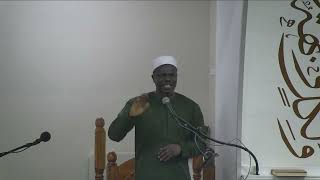
“He was the Messiah but he was a human being.”
Muslims should understand Easter as a Christian religious celebration, distinguish its theology from Islam's teachings about Jesus and forgiveness, and remain grounded in their own Ramadan and Eid practices while turning directly to Allah in repentance.
The khutbah in 5 steps
- Explains Christian beliefs about Good Friday, original sin, crucifixion, resurrection, and Easter.
- Contrasts those beliefs with the Quranic teaching that Jesus was not crucified and was raised by Allah.
- Describes Easter symbols and practices, including eggs, Lent, fasting, fish, and Easter celebrations.
- Presents Islamic beliefs about Jesus, inherited sin, Adam and Eve, and direct divine forgiveness.
- Encourages Muslims to follow their own Ramadan and Eid traditions and sincerely repent to Allah.
In the khateeb's words
“isa was one of the greatest prophets of Allah he was the messiah but he was a human being”
“all that is required from us is to sincerely sincerely sincerely repent to Allah and admit our faults and our mistakes and make a resolve not to go back to them”
For the dinner table
The khutbah explained what Good Friday and Easter mean in Christian belief, then contrasted that with Islam's teaching that Jesus, or Isa, was a great human prophet who was not crucified. It taught that Muslims do not inherit Adam and Eve's sin, and that Allah forgives people who sincerely repent without anyone dying for their sins. The speaker encouraged families to cherish Ramadan and Eid rather than imitate another religion's celebrations. We can learn about our neighbors' beliefs while staying grounded in our own faith.
- What did you learn about how Muslims and Christians understand Jesus differently?
- Which Ramadan or Eid traditions make our family feel connected to our faith?
- What does sincere repentance look like in everyday life?
More on the Islamic calendar
 7:52Dar Alnoor · Manassas, VA · Jul 11, 2026Use summer to grow closer to Allah“This opportunity can make me a great Muslim, a great human being, or it can make me a very bad person, depending on how we use the summer.”
Never miss a salah during this free time.16:04Muslim Neighbour Nexus · Mississauga, ON · Jul 25, 2026Use summer time for what matters
 EPIC · Plano, TX · Jul 3, 2026Honor Muharram through fasting and justice“We cannot even enter into Jannah if I have violated someone else's rights.”