
Gratitude means using blessings for good
“True shukr begins when you look at what you have and not what you lack.”
True gratitude in Islam means recognizing every blessing and actively using it for good while trusting Allah's wisdom in both ease and hardship.
The khutbah in 6 steps
- Defines hamd as praising Allah for who He is and shukr as thanking Him for what He gives or withholds
- Explains ingratitude as hidden arrogance, entitlement, and failure to trust Allah's wisdom
- Emphasizes recognizing countless blessings, including protection from harms and delayed punishment
- Teaches that gratitude is an action expressed through charity, sharing knowledge, helping others, and responsible ambition
- Connects shukr and sabr as complementary responses to good and difficult circumstances
- Closes by urging reflection on Alhamdulillahi Rabbil Alameen during prayer
In the khateeb's words
“True shukr begins when you look at what you have and not what you lack.”
“shukr is not about being content with having less. It's about being motivated by the gifts of Allah to do more.”
For the dinner table
Today's khutbah reminded us that gratitude to Allah belongs in every day of our lives. The khateeb explained hamd as praising Allah for who He is, and shukr as thanking Him for what He gives and withholds, trusting that He knows best. He encouraged us to notice particular blessings, including faith, time, safety, and even each breath, instead of focusing on what others have. He also reminded us to practice patience during difficulty and gratitude for the good we receive. Gratitude becomes action when we use what Allah has entrusted to us to help others, share knowledge, and give generously.
- What is one everyday blessing you noticed today that you usually overlook?
- How could you use something Allah has given you to help someone this week?
- When something doesn't go your way, what could help you practice patience and still notice something to be grateful for?
More on Gratitude
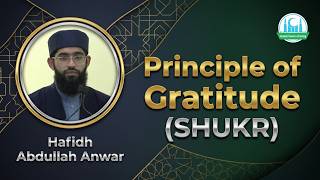 ICI · Irving, TX · Oct 24, 2026Thank Allah in ease and hardship“Even in moments of difficulty, when it feels like there's nothing going your way, there is always something to be grateful for.”
Either we're receiving a blessing, which calls for shukr, or we're going through a hardship, which calls for sabr.13:29Al-Ittehad · Vista, CA · Sep 19, 2026Gratitude and patience carry believers through life
Real gratitude is not a feeling.16:14London Muslim Mosque · London, ON · Sep 11, 2026Gratitude means using blessings well