
Caring for orphans shows living faith
“Caring for orphans is connected with your aqidah.”
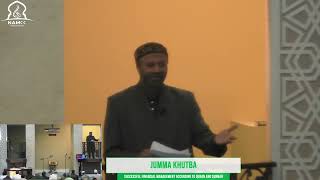
Caring for orphans is a practical expression of faith that protects their dignity, belief, education, and future, earns immense spiritual reward, and strengthens the wider Muslim community.
The khutbah in 6 steps
- Opens with taqwa, remembrance of the afterlife, and a dream connected to sponsoring an orphan.
- Frames orphan care as an expression of faith, good character, and responsible wealth management.
- Uses Quranic passages to connect belief in Allah and the afterlife with protecting orphans and feeding the needy.
- Presents hadith promising Paradise, closeness to the Prophet, softened hearts, and great worship-like rewards for orphan care.
- Shares historical examples and the khateeb’s personal story to show how small kindnesses empower orphans and benefit communities.
- Urges listeners during the blessed months to give zakah or sadaqah and sponsor or support orphans, including in Gaza and Sudan.
In the khateeb's words
“Caring for orphans Is connected with Your aqidah It's not just a good deed It reflects a good aqidah”
“That is not a commercial break That is an act of worship And it is closely connected to believing in Allah And in the day of judgment”
“Because when you are taking care of the orphans You're not just feeding them You're protecting their aqidah And their akhlaq and their morality”
“You do not need to do a lot of calculations Allah is judging your heart And this is the test of the heart”
For the dinner table
This khutbah teaches that caring for orphans is not merely charity; it is a visible sign of faith, good character, and belief in the afterlife. The Quran and Sunnah promise tremendous reward for supporting orphans and remind us to protect their faith, education, dignity, and future. The khateeb’s story about receiving school supplies anonymously shows how a small kindness can shape a life and inspire someone to serve others. During fasting and the blessed months, we should let our experience of hunger make us more compassionate toward people who face deprivation every day. We are encouraged to give zakah or sadaqah and support an orphan, including children in Gaza or Sudan, while asking Allah to accept our efforts.
- How can fasting help us notice and help people who are hungry?
- If we supported an orphan, what kinds of help besides money might help them thrive?
More on Wealth & charity
 15:41NAMCC · North Austin, TX · Oct 24, 2026Earn halal, spend wisely, and save“May Allah have mercy on a man who earns his money in a halal way, spends it economically, and saves some of it for a day that he needs it.”

Don't think that taking the easy way out or the shortcut is actually going to make you gain the rizq quicker.25:16MAPS Redmond · Redmond, WA · Sep 18, 2026Trust Allah's provision and find contentment

Everyone wants more Rizq, but no one wants accountability and responsibility, and you cannot have one without the other.19:34Qalam · Carrollton, TX · Sep 11, 2026More provision means more accountability