
The Prophet modeled calm, private respect
“Do not engage people who are angry.”
The Prophet’s example teaches Muslims to manage anger with restraint, respect people privately, develop young leaders through accountable mentorship, and honor human differences.
The khutbah in 5 steps
- The Prophet responds calmly to Abdullah ibn Abi’s insult and prevents conflict from escalating.
- He respects the man privately and forgives him despite public disrespect.
- Usama ibn Zayd’s upbringing illustrates deliberate youth mentorship and accountable leadership development.
- The Prophet’s treatment of Usama and Bilal challenges racism and celebrates differences.
- Families should involve children in worship, zakat, mistakes, and shared decision-making.
In the khateeb's words
“at the same time he kept grooming him he did not allow the mistake to define him”
“let the whole family take a break from life and come to the masjid not just you”
“Islam is not colorblind Islam is better than colorblind colorblind means we ignore our differences”
For the dinner table
The khutbah tells a story from the Prophet’s life about responding to insults with patience and preventing anger from becoming conflict. It teaches us to respect people privately, even when they have treated us poorly in public. The Prophet also trained young people like Usama ibn Zayd by giving them responsibility, correcting their mistakes, and refusing to define them by failure. His treatment of Usama and Bilal shows that Islam honors differences rather than ignoring them. Families can live these lessons by worshipping together, involving children in meaningful responsibilities, and making decisions through consultation.
- When is it wiser to wait before answering someone who is angry?
- What is one responsibility you would like to practice so you can grow as a leader?
- How can our family make everyone feel respected and included?
More on the Prophets & seerah
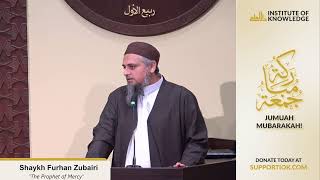 IOK · Diamond Bar, CA · Sep 19, 2026Learn the Prophet's life to love him“Love is something that grows through knowledge.”

Be mindful of Allah, and He will protect you.9:56Al-Sabereen · Harrisburg, PA · Oct 24, 2026Defend the Prophet by living his example
No one can walk for you.5:06MCC San Diego · Rancho Bernardo, CA · Oct 3, 2026Prophetic mercy meets people where they are