
Live within your means and give generously
“What's few and sufficient is much better than a lot and distracting.”
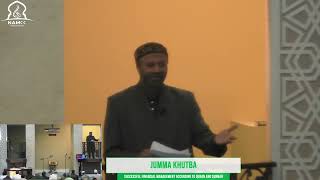
Muslims should reject consumer-driven overextension, live within their means, repay what they owe, and use wealth generously while remembering accountability before Allah and suffering believers.
The khutbah in 6 steps
- Distinguishes borrowing for genuine need from debt-driven consumer lifestyles.
- Warns that unaffordable homes, cars, vacations, schooling, and groceries can burden descendants.
- Uses the Abu Sufyan-at-Hunayn story to portray wealth as a load carried in both worlds.
- Cites reports about debt changing truthfulness and excessive wealth diminishing the Hereafter.
- Balances the warning against debt with affirmation that Islam permits wealth when it is spent generously.
- Closes with a call to repay commitments and supplications for debt relief and oppressed communities.
In the khateeb's words
“what's few and sufficient is much better than a lot and distracting”
“those who have the most of dunya will have the least of Akhira”
“Islam is not calling you to live in poverty Islam is not calling you to live as a poor man and drop your wealth aside”
For the dinner table
The khateeb reminded us to live within what Allah has given us and to appreciate having enough. He distinguished borrowing out of need from taking on debt simply to keep buying more. He stressed that repaying people is a serious responsibility and warned that the pressure of debt can affect our honesty and promises. He also explained that Islam does not ask us to be poor: wealth can be used generously to help others. He encouraged us to commit to fulfilling what we owe and asked Allah to free us from debt and poverty.
- When wanting something new feels urgent, what could help us decide whether we need it?
- How could we use something we have to help another person this week?
More on Wealth & charity
 15:41NAMCC · North Austin, TX · Oct 24, 2026Earn halal, spend wisely, and save“May Allah have mercy on a man who earns his money in a halal way, spends it economically, and saves some of it for a day that he needs it.”

Don't think that taking the easy way out or the shortcut is actually going to make you gain the rizq quicker.25:16MAPS Redmond · Redmond, WA · Sep 18, 2026Trust Allah's provision and find contentment

Everyone wants more Rizq, but no one wants accountability and responsibility, and you cannot have one without the other.19:34Qalam · Carrollton, TX · Sep 11, 2026More provision means more accountability