
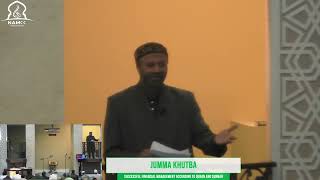
Success is a trust, not entitlement
“If Allah has given you so many blessings, use your blessings for other people as well.”
The story of Qarun teaches that wealth, skill, and worldly success must be held humbly, directed toward the Hereafter and service to others, enjoyed lawfully, and never treated as self-generated entitlement.
The khutbah in 6 steps
- Explores how ruling powers recruit local intermediaries, then introduces Qarun within Musa's story.
- Presents five counsels from righteous Israelites as a mirror for listeners.
- Explains humility and using wealth, health, and skills to seek the Hereafter.
- Uses Hassan ibn Thabit's story to show that people serve Islam through different abilities.
- Balances worldly enjoyment with doing good and avoiding corruption.
- Reexamines Qarun's claim that knowledge alone caused his wealth.
In the khateeb's words
“You do whatever you can to the best of your ability.”
“Point, brother, is everyone is different. Choose a path to Jannah that is best suited to your skills.”
“if Allah has given you so many blessings, use your blessings for other people as well.”
“What I have today because of my degree. What I have today is because of my hard work.”
For the dinner table
The khutbah uses the story of Qarun, a very wealthy man from the people of Musa, to teach us how to handle blessings. The righteous people advised him to be humble, use what Allah gave him for the Hereafter, enjoy a lawful share of worldly life, do good to others, and avoid corruption. We all have different strengths, so our paths of worship and service may look different. Wealth and skill are blessings, but they should never make us arrogant or forget Allah. A good life uses our abilities to benefit others while remembering where every blessing came from.
- What is one strength Allah gave you that you could use to help someone else?
- How can we enjoy something nice without becoming boastful?
- Why is it important to remember Allah when we succeed?
More on Wealth & charity
 15:41NAMCC · North Austin, TX · Oct 24, 2026Earn halal, spend wisely, and save“May Allah have mercy on a man who earns his money in a halal way, spends it economically, and saves some of it for a day that he needs it.”

Don't think that taking the easy way out or the shortcut is actually going to make you gain the rizq quicker.25:16MAPS Redmond · Redmond, WA · Sep 18, 2026Trust Allah's provision and find contentment

Everyone wants more Rizq, but no one wants accountability and responsibility, and you cannot have one without the other.19:34Qalam · Carrollton, TX · Sep 11, 2026More provision means more accountability