
Hijrah calls us to leave sin and welcome others
“The Masjid is the heart and the center of the Muslim community.”
The history and meaning of Hijrah teach Muslims to leave sin, protect migrants, build welcoming pluralistic communities, pursue justice strategically, and participate responsibly in civic life.
The khutbah in 6 steps
- Explains Umar ibn al-Khattab’s establishment of the Hijri calendar and the lunar cycle’s rotation through the seasons.
- Connects Hijrah to modern migration, refugee crises, xenophobia, and humanity’s shared history of movement.
- Defines spiritual Hijrah as leaving sin and harmful environments for obedience, good company, and righteous action.
- Uses Abyssinia and Medina to teach asylum, religious freedom, mosque-centered community, pluralism, and mutual defense.
- Draws lessons of strategy, justice, tolerance, and common good from the Prophet’s migration and agreements.
- Urges eligible American citizens to vote in the Georgia runoff and closes with prayer.
In the khateeb's words
“The first Muslims sought asylum was in Africa. Even before Medina. Africa gave refuge to the Muslims.”
“The Masjid is the heart and the center of the Muslim community. It's not just a place to pray.”
“So it teaches us we have to be strategic people. We have to work with strategy. This is what our deen teaches us.”
For the dinner table
Imam Bashir reminded us that the Hijri calendar points us toward the Prophet’s migration and the lessons it holds for our lives. He connected migration with the journeys of many prophets and urged us to think about how people seeking safety are treated. He also described a spiritual migration: leaving sinful habits and choosing surroundings that help us obey Allah and do good. He taught that the masjid should be a welcoming heart of the community, and that people of different faiths can cooperate with mutual respect. Through the Prophet’s example, he encouraged us to trust Allah, plan carefully, and uphold justice even when dealing with an enemy.
- What is one habit you could move away from, and what good habit could take its place?
- How could we help someone new feel at home at our masjid?
- What would help you treat someone fairly when you are upset with them?
More on the Prophets & seerah
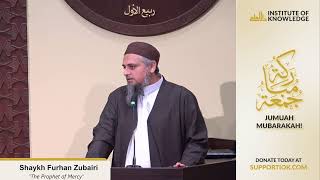 IOK · Diamond Bar, CA · Sep 19, 2026Learn the Prophet's life to love him“Love is something that grows through knowledge.”
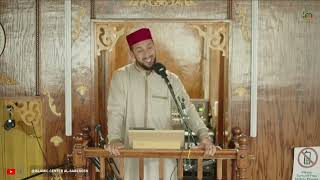
Be mindful of Allah, and He will protect you.9:56Al-Sabereen · Harrisburg, PA · Oct 24, 2026Defend the Prophet by living his example
No one can walk for you.5:06MCC San Diego · Rancho Bernardo, CA · Oct 3, 2026Prophetic mercy meets people where they are