
Follow the Prophet through weekly remembrance
“Do you talk about the Prophet sallallahu alayhi wa sallam on Mondays?”
A healthy relationship with Allah and the Prophet Muhammad requires regular self-accounting, emulating the Prophet’s example, accepting loving warnings, and correcting others with compassionate respect.
The khutbah in 5 steps
- Frames Ramadan-to-Sha'ban practice as beginning and ending the spiritual year with strong deeds.
- Discusses mawlid as a social rather than religious practice, redirecting remembrance toward weekly Monday fasting.
- Explains the Prophet’s Qur’anic roles, especially as witness, bearer of glad tidings, and warner.
- Argues that warning about judgment and hellfire must come early in da'wah, using the call from al-Safa and Surah al-Masad.
- Closes with prayers for stronger relationships with Allah, the Prophet, the Qur'an, and family, followed by salah.
In the khateeb's words
“we should ask, do you talk about the Prophet sallallahu alayhi wa sallam on Mondays? Do you fast? And when you are fasting, you're thinking about him every week, not once a year.”
“A warning of someone who loves you, not someone who hates you.”
For the dinner table
The khateeb reminded us of Allah’s generosity: even intending to do good can bring a reward. He encouraged us to remember the Prophet regularly, including on Mondays, and to learn how he lived. Loving the Prophet means letting his example shape our own choices. The Prophet brought good news and also warned people about wrongdoing and accountability, because he cared about them. In the story of a man who spoke during prayer, we heard how he corrected a mistake without shouting or insulting, giving us an example for helping one another learn.
- What good deed would you like to make an intention for and try this week?
- What would you like our family to learn about the Prophet together?
- How would you help a friend learn a rule without embarrassing them?
The masjids
More on the Prophets & seerah
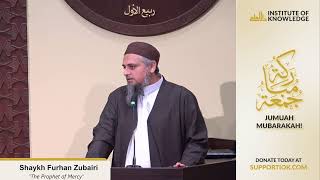 IOK · Diamond Bar, CA · Sep 19, 2026Learn the Prophet's life to love him“Love is something that grows through knowledge.”

Be mindful of Allah, and He will protect you.9:56Al-Sabereen · Harrisburg, PA · Oct 24, 2026Defend the Prophet by living his example
No one can walk for you.5:06MCC San Diego · Rancho Bernardo, CA · Oct 3, 2026Prophetic mercy meets people where they are