
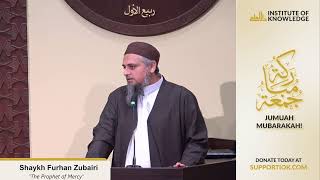
The Prophets & seerahFrom the masjid's own video, Sep 3, 2025.
Ibrahim’s call begins with compassion
“Follow me and we'll go to the straight path.”
In one sentence
The story of Prophet Ibrahim teaches that calling people to worship Allah alone should be done with compassion, humility, wisdom, and respectful etiquette.
The khutbah in 6 steps
- Frames Quranic stories as sources of lessons for people who reflect.
- Distinguishes prophetic narratives by whether they begin with childhood, maturity, or prophethood, then situates Ibrahim’s story in two phases.
- Introduces Ibrahim’s da'wah in Iraq and later migration to Sham, comparing it with Muhammad’s Makkah-to-Madinah mission.
- Examines Ibrahim’s first appeal to his father as compassionate, respectful, question-based guidance centered on worshipping Allah alone.
- Explains worship as directing human servitude to Allah, the only being who can truly benefit.
- Shows how Ibrahim combined knowledge and reasoning with humility, then begins warning against following Shaytan.
Try this week
Address elders and loved ones with compassion when correcting or advising them.
Use thoughtful questions instead of immediate commands when giving advice.
Begin religious guidance with the essential message of worshipping Allah alone.
Share beneficial knowledge humbly and invite others toward the straight path.
Direct one’s natural desire for servitude toward Allah rather than other objects or desires.
Sources the khateeb cited
Surah 19Provides Ibrahim’s four appeals to his father and illustrates compassionate da'wah.
Quotes
In the khateeb's words
“There are beneficial lessons for those who ponder and those who have intellect”
“this knowledge has come to me and it hasn't reached you yet so follow me and we'll go to the straight path”
Talk about it at home
For the dinner table
The khutbah teaches that Quranic stories are meant to give us guidance for our own lives. Prophet Ibrahim showed that even when correcting his father’s worship, he spoke with love, respect, and humility. He asked thoughtful questions instead of beginning with harsh commands. The central message was to worship Allah alone, while sharing knowledge in a compassionate way. We can practice this by being gentle, thoughtful, and humble when advising others.
- When is a question better than a command?
- How can we show compassion while correcting someone?
- What does worshipping Allah alone change in our daily choices?
Keep listening
More on the Prophets & seerah
 IOK · Diamond Bar, CA · Sep 19, 2026Learn the Prophet's life to love him“Love is something that grows through knowledge.”

Be mindful of Allah, and He will protect you.9:56Al-Sabereen · Harrisburg, PA · Oct 24, 2026Defend the Prophet by living his example

No one can walk for you.5:06MCC San Diego · Rancho Bernardo, CA · Oct 3, 2026Prophetic mercy meets people where they are