
Trust Allah for halal provision
“Surely no soul will die until it has received its full provision, even if it comes slowly.”
Trust Allah’s decree of provision, pursue livelihood lawfully and with taqwa, and never let hardship or delayed rizq push you into haram.
The khutbah in 6 steps
- Introduces the hadith that every soul receives its full provision and must seek it halal and honorably.
- Explains that lawful provision brings reward and barakah, while haram earnings bring punishment and lack of blessing.
- Presents Hatim al-Asam’s four foundations of taqwa: trusting one’s provision, fulfilling personal duties, preparing for death, and remembering Allah’s constant awareness.
- Recounts Hatim’s Hajj journey and his family’s reliance on Allah during severe poverty.
- Applies the lesson to people facing sickness, debt, distress, and financial hardship.
- Concludes with supplications for halal provision, contentment, barakah, and relief for suffering Muslims.
In the khateeb's words
“Surely no soul will die until it has received its full provision, even if it comes slowly. So fear Allah and seek your provision in a halal and dignified manner.”
“okay, so the consumer of provision has gone but the provider remains.”
“don't give in to the whispers of the shaitan even if you're going through difficulty make sure you stay upon the path of obedience to Allah subhanahu wa ta'ala”
For the dinner table
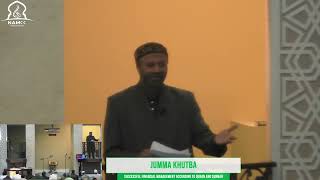
Today's khutbah reminded us that Allah is our provider and that we should seek what we need in a halal and dignified way. When provision comes slowly, we should remain patient and avoid dishonest shortcuts, seeking Allah's blessing in what we receive. The khateeb shared four lessons from Hatim al-Asam: trust Allah with provision, take responsibility for our own deeds, prepare for death, and remember that Allah sees us. He also told a story about Hatim and his young daughter trusting Allah through hardship and receiving help in unexpected ways. As a family, we can support one another in doing what is right, remembering Allah's favors, and making dua with trust in Him.
- What is one responsibility you can take care of yourself this week, like Hatim described?
- What blessing could we remember when we feel worried, as Hatim's daughter did?
- What could help you choose honesty when a shortcut looks easier?
More on Wealth & charity
 15:41NAMCC · North Austin, TX · Oct 24, 2026Earn halal, spend wisely, and save“May Allah have mercy on a man who earns his money in a halal way, spends it economically, and saves some of it for a day that he needs it.”

Don't think that taking the easy way out or the shortcut is actually going to make you gain the rizq quicker.25:16MAPS Redmond · Redmond, WA · Sep 18, 2026Trust Allah's provision and find contentment

Everyone wants more Rizq, but no one wants accountability and responsibility, and you cannot have one without the other.19:34Qalam · Carrollton, TX · Sep 11, 2026More provision means more accountability