
Sadaqah purifies wealth and erases sin
“We should start with the sadaqah in your own home.”
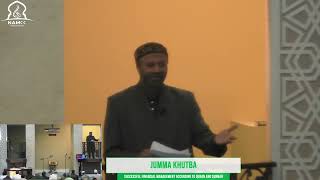
Giving sadaqah for the sake of Allah is a broad act of worship that purifies wealth, erases sin, and protects one's destiny, and Muslims should practice it at increasing levels of selflessness, beginning with family and the hidden needy.
The khutbah in 7 steps
- Defining the vocabulary of giving: sadaqah, zakah, kafarah, and fidya
- The spiritual benefit of sadaqah: purification of wealth, soul, and fate
- Three levels of giving: surplus (saka), generosity (jood), and self-preference (ithar)
- Companion examples illustrating ithar: the guest story and the wounded at Yarmouk
- Whom to give to: the hidden needy and one's own family first
- Giving from what you love: the story of Abu Talha and his garden Bayraha
- Conclusion: charity as a 'beautiful loan' to Allah that He multiplies
In the khateeb's words
“the sadaqah extinguishes the anger of Allah subhanahu wa ta'ala Allah is angered when we commit a sin when we give sadaqah it extinguishes that anger and it removes the sin”
“the highest level of sadaqah is al-eithar and eithar is to give when you are absolutely in dire need of what you're giving”
For the dinner table
The khutbah reminded us that sadaqah includes much more than giving money: a smile, a kind word, forgiveness, and patience with someone in debt can all be charity. Giving for Allah’s sake purifies our wealth and our hearts while helping us overcome stinginess. The khateeb described different levels of generosity, from sharing what is extra to preferring another person even when we are also in need. He encouraged us to look carefully for people who are struggling quietly, beginning with relatives and others close to us. When we give, we should not feel superior, because our generosity is really an act of worship and a trust in Allah’s promise to reward and replace what we spend.
- What is one kind of sadaqah you can give this week without spending money?
- How could we help someone who may feel embarrassed to ask for support?
- What is something you love that you could generously share with another person?
The masjid
More on Wealth & charity
 15:41NAMCC · North Austin, TX · Oct 24, 2026Earn halal, spend wisely, and save“May Allah have mercy on a man who earns his money in a halal way, spends it economically, and saves some of it for a day that he needs it.”

Don't think that taking the easy way out or the shortcut is actually going to make you gain the rizq quicker.25:16MAPS Redmond · Redmond, WA · Sep 18, 2026Trust Allah's provision and find contentment

Everyone wants more Rizq, but no one wants accountability and responsibility, and you cannot have one without the other.19:34Qalam · Carrollton, TX · Sep 11, 2026More provision means more accountability