
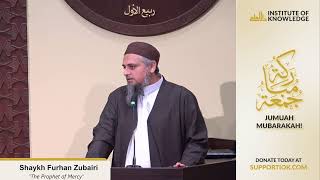
The prophets teach courage against corruption
“These are not just stories; they're not just history lessons.”
The Quran’s recurring stories of six prophets provide the moral courage, patience, conviction, and justice Muslims need to confront the combined corruptions of modern society.
The khutbah in 5 steps
- The Quran’s stories are presented as lessons for reflection and firmness, not mere history.
- The recurring stories of Nuh, Ibrahim, Hud, Salih, Lut, and Musa are introduced as patterns of human corruption.
- Lut, Ibrahim, and Musa confront immorality, blind tradition, and tyranny.
- Modern society is described as combining all these pressures, requiring families to study the prophetic stories together.
- The khutbah closes with a weekly family study plan and prayers for prophetic qualities.
In the khateeb's words
“these are not just stories they're not just history lessons the Quran is not a history book this is fuel that you need”
“you have to sit with your family and say today's this week's project is the story of Nuh everyone look up the story of Nuh all over the Quran”
For the dinner table
The khateeb reminded us that the stories of the prophets help strengthen our hearts and guide our choices. He encouraged us to learn from Nuh’s patience, Hud’s courage, Salih’s gratitude and humility, Lut’s moral clarity, Ibrahim’s conviction, and Musa’s justice and resolve. Their stories help us recognize challenges such as arrogance, entitlement, blindly following others, and oppression. He urged families to choose a prophet’s story each week, find it in the Quran, and share how its lessons connect to school, home, and work. Just as we gather to feed our bodies, we can gather to nourish our hearts by learning together.
- What could Nuh’s patience teach us when helping someone feels difficult?
- What is one blessing you could use to do something good this week?
- Which prophet’s story would you like us to explore together, and why?
More on the Prophets & seerah
 IOK · Diamond Bar, CA · Sep 19, 2026Learn the Prophet's life to love him“Love is something that grows through knowledge.”

Be mindful of Allah, and He will protect you.9:56Al-Sabereen · Harrisburg, PA · Oct 24, 2026Defend the Prophet by living his example
No one can walk for you.5:06MCC San Diego · Rancho Bernardo, CA · Oct 3, 2026Prophetic mercy meets people where they are