
Give zakat with joy, not reluctance
“There is a joy in giving that is better than the joy of taking.”
Believers should move from merely fulfilling zakat to giving joyfully, recognizing wealth as Allah’s trust and prioritizing the needs of others.
The khutbah in 5 steps
- Defines zakat as an obligation and a rightful share for the poor and needy.
- Presents a zero-to-five scale, warning against denying or minimizing zakat.
- Explains charity’s blessings and the joy of giving through prophetic and personal stories.
- Describes higher levels as recognizing wealth belongs to Allah and preferring others’ needs.
- Uses the garden story to warn against greed and urges parents to teach children charity.
In the khateeb's words
“there is a joy in giving that is better than the joy of taking”
“the tears of joy of a widow and the smile of a child my dear respected brothers and sisters in Islam weigh heavy in the scale of Allah subhanahu wa ta'ala”
For the dinner table
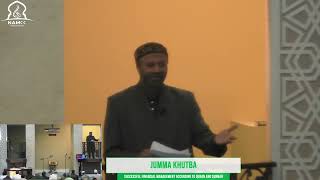
The khutbah taught that zakat is an obligation and that wealth includes a rightful share for people who are poor or deprived. It presented a scale from zero to five: denying zakat is the lowest level, while giving with joy, recognizing wealth as Allah’s trust, and putting others’ needs before our own are higher levels. The speaker used stories about generosity to show that charity can bring blessing, dignity, and happiness to both giver and recipient. He encouraged families to teach children that caring for the poor is part of their faith and family legacy. The closing message was that each person can choose to move upward through sincere giving and repentance.
- How can we remember that what we own is a trust from Allah?
- What could our family teach younger children about caring for people in need?
More on Wealth & charity
 15:41NAMCC · North Austin, TX · Oct 24, 2026Earn halal, spend wisely, and save“May Allah have mercy on a man who earns his money in a halal way, spends it economically, and saves some of it for a day that he needs it.”

Don't think that taking the easy way out or the shortcut is actually going to make you gain the rizq quicker.25:16MAPS Redmond · Redmond, WA · Sep 18, 2026Trust Allah's provision and find contentment

Everyone wants more Rizq, but no one wants accountability and responsibility, and you cannot have one without the other.19:34Qalam · Carrollton, TX · Sep 11, 2026More provision means more accountability