
Wealth is a test, not the goal
“The only thing that will last into the akhira will be what we put forth.”
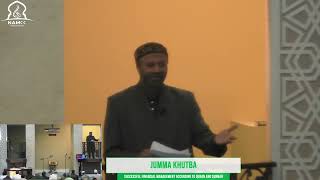
The story of the two gardens in Surah al-Kahf teaches that wealth is a test, so believers must attribute every blessing to Allah, rely on Him rather than possessions, and use worldly resources for lasting righteous action.
The khutbah in 5 steps
- Surah al-Kahf's Friday recitation is presented as light and protection from fitna.
- Fitna is explained as a refining test that reveals whether faith is genuine.
- The two-gardens parable exposes pride, materialism, and reliance on worldly success.
- Masha'Allah and reliance on Allah are offered as cures for self-attribution and arrogance.
- The destroyed garden reframes loss as a chance for tawbah and urges using blessings for lasting deeds.
In the khateeb's words
“The cure to materialism is humility The cure to the constant love in our hearts Of our grandeur Of everything that we have Is to remember where we came from and where we're going”
“The garden was never the point The whole thing was a fitna And so the fitna is what we have to take away”
“The only thing that will last into the akhira Will be what we put forth The actions that we take”
For the dinner table
Today's khutbah was about Surah Al-Kahf, which we're encouraged to read every Friday because it brings light and protects us from trials. Br. Omar explained that a trial, or fitna, is like the fire that purifies gold: hard times show how true our faith really is. He told the story of a man with two perfect gardens who bragged to his poorer neighbor. The man thought his wealth would last forever and forgot that everything came from Allah. His neighbor kindly reminded him to say 'Masha'Allah,' meaning 'this is what Allah has willed,' and the garden was later destroyed. That loss helped the man turn back to Allah, and the only thing we take with us to the next life is our good deeds, so we should use our blessings to do good.
- What's one blessing you have that you could say 'Masha'Allah' about tonight, and what good deed could you use it for?
- Have you ever noticed someone, or yourself, showing off in a sneaky way, and how did it make the other person feel?
- Can you remember a time something didn't go your way but turned out to be good for you?
More on Wealth & charity
 15:41NAMCC · North Austin, TX · Oct 24, 2026Earn halal, spend wisely, and save“May Allah have mercy on a man who earns his money in a halal way, spends it economically, and saves some of it for a day that he needs it.”

Don't think that taking the easy way out or the shortcut is actually going to make you gain the rizq quicker.25:16MAPS Redmond · Redmond, WA · Sep 18, 2026Trust Allah's provision and find contentment

Everyone wants more Rizq, but no one wants accountability and responsibility, and you cannot have one without the other.19:34Qalam · Carrollton, TX · Sep 11, 2026More provision means more accountability