
Ibrahim’s dawah combined compassion and courage
“You worship things that are creation, but your true Lord is the one who created the heavens and the earth and everything therein.”
Prophet Ibrahim’s dawah moved from compassionate family counsel to rational explanation and, when necessary, firm public action, rooted in sincere concern for guiding people away from idolatry.
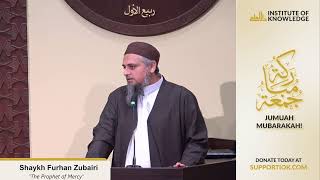
The khutbah in 6 steps
- Introduces Qur’anic stories as sources of lessons, continuing the story of Ibrahim.
- Recounts Ibrahim’s compassionate and respectful dawah to his father.
- Explains his logical argument against worshipping the stars, moon, sun, and inherited idols.
- Describes Ibrahim’s increasingly firm challenge to the community’s idol worship.
- Narrates the destruction of the idols and Ibrahim’s exposure of their inability to speak or help.
- Recounts the fire ordeal, Ibrahim’s survival, and the ruler’s reaction.
In the khateeb's words
“We need to do so with true concern. There should be concern and there should be sincerity”
“And this is how very logically and rationally he invited his people towards Islam, and he showed them that what they were believing, aside from Allah , these are logically impossible to believe in.”
“You worship things that are creation, but your true Lord is the one who created the heavens and the earth and everything therein.”
For the dinner table
Today’s khutbah continued the Qur’anic story of Prophet Ibrahim and the lessons his dawah offers us. He began with kindness and respect when speaking to his father, showing that sincere concern should guide religious teaching. With his community, he used clear reasoning to explain why stars, the moon, the sun, and idols could not be worshipped. When people still refused to listen, he challenged their idols publicly and exposed their inability to speak or help. The main lesson is to combine compassion, wisdom, clear reasoning, and firmness when standing for truth.
- How can we show sincere concern when helping someone learn something important?
- What makes an argument logical and respectful at the same time?
- What is the difference between depending on created things and depending on Allah?
More on the Prophets & seerah
 IOK · Diamond Bar, CA · Sep 19, 2026Learn the Prophet's life to love him“Love is something that grows through knowledge.”

Be mindful of Allah, and He will protect you.9:56Al-Sabereen · Harrisburg, PA · Oct 24, 2026Defend the Prophet by living his example
No one can walk for you.5:06MCC San Diego · Rancho Bernardo, CA · Oct 3, 2026Prophetic mercy meets people where they are