
Share what you have with the hungry
“If you have a pantry full of food and you know that people are starving, get some of that food out of your house.”
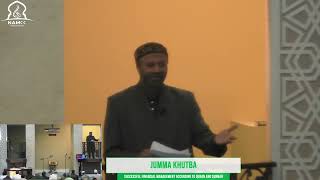
Muslims fulfill their responsibility before Allah by actively showing compassion and material support to poor, weak, and oppressed people rather than treating personal comfort or prayer alone as sufficient.
The khutbah in 6 steps
- The khateeb compares suffering in Sudan, Gaza, Rohingya communities, and among Uyghurs, asking where Muslim solidarity is.
- He argues that gratitude for personal provision cannot replace responsibility toward hungry and oppressed people.
- He uses a Quranic passage about denying recompense, neglecting orphans and the poor, and withholding assistance.
- Hadith are presented as teaching that the poor and weak bring blessing and provision, and that surplus food should be shared.
- Stories of early companions who endured poverty or displacement illustrate how marginalized people became leaders and voices for justice.
- He closes by calling for compassion, humility, and local action, then announces a janazah and requests dua for an injured young man.
In the khateeb's words
“the poor and the weak are not a burden on the Muslim society. It's just the opposite.”
“If you have a pantry full of food and you know that people are starving, get some of that food out of your house.”
“let the spirit of humility of justice, let that be our motivating factor when we see people, whether they are far away and we can't do anything for them, or if they are our next door neighbors.”
For the dinner table
The khutbah reminds us that caring for people in need is a central part of Muslim life. The poor and weak are not burdens; they are people whose needs give us opportunities to serve Allah. We should share food, notice struggling neighbors, and help where we have influence. We should also make dua for people suffering in places like Palestine and Sudan. Our worship becomes stronger when it is joined with compassion, humility, and justice.
- What is one way our family could share food or help someone nearby?
- Why might caring for people in need be considered a blessing for us?
- How can we remember suffering people in our duas and actions?
More on Wealth & charity
 15:41NAMCC · North Austin, TX · Oct 24, 2026Earn halal, spend wisely, and save“May Allah have mercy on a man who earns his money in a halal way, spends it economically, and saves some of it for a day that he needs it.”

Don't think that taking the easy way out or the shortcut is actually going to make you gain the rizq quicker.25:16MAPS Redmond · Redmond, WA · Sep 18, 2026Trust Allah's provision and find contentment

Everyone wants more Rizq, but no one wants accountability and responsibility, and you cannot have one without the other.19:34Qalam · Carrollton, TX · Sep 11, 2026More provision means more accountability