
Righteous giving begins with halal wealth
“Whatever you spend it should be among the best and Allah subhanahu wa ta'ala will reward you.”
True righteousness requires earning and providing through halal, wholesome sources, spending generously from what one loves, and avoiding doubtful or unlawful wealth.
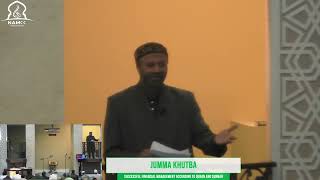
The khutbah in 6 steps
- Introduces the Riyad as-Salihin chapter on spending beloved things for Allah.
- Uses Surah Al Imran 3:92 and Surah Al-Baqarah 2:267 to frame righteous giving.
- Explains that family provision must be halal, including responsibilities toward dependents.
- Urges wara: leaving doubtful matters and moving away from normalized haram.
- Warns parents that unlawful provision can affect children and household wellbeing.
- Rejects social corruption and riba as excuses, illustrating purity through the Prophet and Abu Bakr.
In the khateeb's words
“whatever you spend it should be among the best and Allah subhanahu wa ta'ala will reward you”
“whatever you're consuming yourself and your family it has to be halal and not only just halal it has to be even beyond what's beyond halal?”
“so it's no excuses for earning from haram you have to make sure that is tayyib”
For the dinner table
The khutbah teaches that righteousness is connected to what we earn and what we give. The speaker explains that Allah asks believers to spend from good things and from what they love, not from what is bad. Parents are reminded to provide halal food and support, and to avoid doubtful income because family provision shapes household life. He says a difficult or corrupt society is not an excuse for earning through haram or riba, and he points to the Prophet and Abu Bakr as examples of caution. The practical lesson is to examine our income, choose the safer lawful path, and give with sincerity.
- What does choosing the best thing look like when we give or share?
- How can we recognize whether an earning or purchase is clearly halal or doubtful?
- What can children learn from a parent’s responsibility to provide pure food?
More on Wealth & charity
 15:41NAMCC · North Austin, TX · Oct 24, 2026Earn halal, spend wisely, and save“May Allah have mercy on a man who earns his money in a halal way, spends it economically, and saves some of it for a day that he needs it.”

Don't think that taking the easy way out or the shortcut is actually going to make you gain the rizq quicker.25:16MAPS Redmond · Redmond, WA · Sep 18, 2026Trust Allah's provision and find contentment

Everyone wants more Rizq, but no one wants accountability and responsibility, and you cannot have one without the other.19:34Qalam · Carrollton, TX · Sep 11, 2026More provision means more accountability