
Give generously for taqwa and Allah's reward
“If you want the reward of your good deeds, if you want jannah, if you want taqwa, you have nothing else to do but start with giving sadaqah.”
Giving zakat and sadaqah, regardless of one's wealth, is essential for taqwa, spiritual protection, and Allah's reward, so Muslims should make generosity a consistent habit.
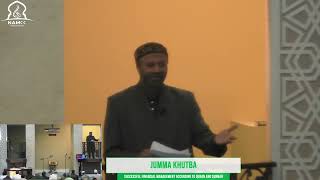
The khutbah in 6 steps
- Establishes zakat as a pillar and emphasizes the Quranic prominence of charity.
- Explains that zakat purifies wealth and that sadaqah is tied to righteousness and taqwa.
- Urges giving in ease and hardship, even through half a date or kind words.
- Describes rewards for charity, including protection from hellfire, multiplied reward, angelic prayers, and divine shade.
- Warns that Satan discourages charity by threatening poverty.
- Calls listeners to give proactively, generously, and from what they value, then read Surah Al-Layl.
In the khateeb's words
“If you do not give from what Allah gave you, nothing can save you from the fire.”
“And let us start a tradition that the people of the masjid and the poor people never have to ask us.”
“if you want the reward of your good deeds, if you want jannah, if you want taqwa, you have nothing else to do but start with giving sadaqah.”
For the dinner table
The khutbah teaches that zakat is an obligatory pillar and that voluntary sadaqah is also central to a Muslim's faith. The speaker says giving purifies and increases wealth, supports taqwa, and can be as small as half a date, or even kind words when someone has nothing material. He warns that fear of poverty can keep us from giving and asks us to build a habit of offering help before people have to ask. He closes by encouraging listeners to give from what they love, read Surah Al-Layl, and pray for a bereaved family.
- What is one generous act we can do this week with money, time, or kind words?
- How can we give something we genuinely value instead of something we no longer want?
- What did Surah Al-Layl teach us about giving and withholding?
The masjid
More on Wealth & charity
 15:41NAMCC · North Austin, TX · Oct 24, 2026Earn halal, spend wisely, and save“May Allah have mercy on a man who earns his money in a halal way, spends it economically, and saves some of it for a day that he needs it.”

Don't think that taking the easy way out or the shortcut is actually going to make you gain the rizq quicker.25:16MAPS Redmond · Redmond, WA · Sep 18, 2026Trust Allah's provision and find contentment

Everyone wants more Rizq, but no one wants accountability and responsibility, and you cannot have one without the other.19:34Qalam · Carrollton, TX · Sep 11, 2026More provision means more accountability