
Earn wealth ethically and spend it generously
“The way we earn our money is just as important, perhaps more important, than the way we spend it.”
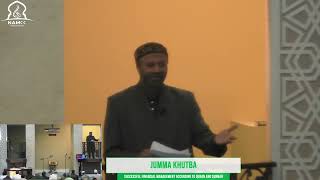
Muslims may pursue lawful wealth, but they must earn it ethically, spend it generously, resist worldly deception, and continue learning and following the Qur'an and Sunnah.
The khutbah in 6 steps
- Establishes that Islam permits lawful wealth, comfort, and material success.
- Defines halal earning through honesty, legality, transparency, and fair treatment.
- Explains using wealth for family, relatives, orphans, the poor, and masajid.
- Warns that worldly life and shayatin embellish disobedience, contrasting fleeting pleasure with lasting consequences.
- Applies the framework to repentance, riba, debt hardship, inflation, and modern financial questions.
- Closes by urging taqwa and lifelong learning, recommending Riyadh al-Saliheen and Nawawi's Forty Hadith.
In the khateeb's words
“So, the way we earn our money is just as important, perhaps more important, than the way we spend it.”
“We should also make sure That when we spend our wealth We fulfill our obligations But we go beyond that”
“That our rizq Is not written in haram Allah has written a rizq For you Allah has written a rizq For you And for me And for all of us And it's going to come to us”
“Whatever Pain Hardship Difficulty Inconvenience We Experience In The Obedience Of Allah We Will Forget The Pain”
For the dinner table
The khutbah taught that Islam is balanced: enjoying a beautiful home, good food, education, or wealth is allowed when the money is earned lawfully. Honest work means obeying the law, telling the truth, treating workers fairly, and disclosing flaws. Wealth is a trust, so we should care for our families and relatives, honor orphans, feed the poor, and support the masjid. The speaker warned that worldly desires and shaytan can make wrongdoing look attractive, while sinful pleasure fades and its consequences remain. We can protect ourselves by choosing halal alternatives, making tawbah and repairing harm, and continuing to learn the Qur'an and Sunnah.
- What is one blessing our family could share more generously this week?
- What is one temptation where we can choose a halal alternative?
- Which short hadith or Islamic lesson should we learn together?
More on Wealth & charity
 15:41NAMCC · North Austin, TX · Oct 24, 2026Earn halal, spend wisely, and save“May Allah have mercy on a man who earns his money in a halal way, spends it economically, and saves some of it for a day that he needs it.”

Don't think that taking the easy way out or the shortcut is actually going to make you gain the rizq quicker.25:16MAPS Redmond · Redmond, WA · Sep 18, 2026Trust Allah's provision and find contentment

Everyone wants more Rizq, but no one wants accountability and responsibility, and you cannot have one without the other.19:34Qalam · Carrollton, TX · Sep 11, 2026More provision means more accountability